Bold Outline: Your Go-To Typeface for Friendly, Impactful Design
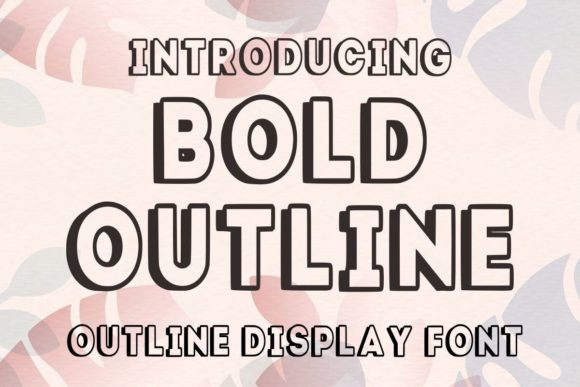
There's a certain kind of font that feels less like a tool and more like a collaborator. It's the typeface that doesn't just sit on the page but actively participates in the conversation, adding a layer of personality and clarity that elevates the entire project. Bold Outline is precisely that kind of font. At its core, it’s an assertive and adaptable display font, but its true strength lies in its impeccable friendliness—a quality that makes it surprisingly versatile for a huge range of creative work.
Forget the cold, overly technical feel of some modern typography. Bold Outline strikes a unique balance. Its structure is confident and clean, ensuring your message is delivered with authority. Yet, the outline style softens its presence, giving it an approachable, almost playful character. This duality is its superpower. It can command attention in a logo design for a new tech startup and then seamlessly transition to creating the warm, welcoming headline on a handmade greeting card. It’s a premium font that doesn’t take itself too seriously, making it an invaluable asset in any designer’s toolkit.
Where Bold Outline Truly Shines: Real-World Applications
The best way to understand a typeface is to see it in action. Bold Outline excels in projects where you need to make a clear statement without overwhelming the viewer. Think of it as the friendly expert in the room—knowledgeable and confident, but easy to talk to.
- Branding and Logo Design: For small business owners and entrepreneurs, a logo needs to be memorable and convey the right tone. Using Bold Outline for a brand name can instantly communicate that a company is modern, accessible, and confident. It works exceptionally well for lifestyle brands, boutique agencies, cafes, and any business that wants to project a professional yet personable brand identity.
- Marketing and Social Media Graphics: In the fast-scrolling world of social media, you have a split second to grab attention. The bold weight and clean lines of this display font make it perfect for headlines on Instagram posts, Facebook ads, and Pinterest graphics. Its friendly vibe increases engagement, making people more likely to stop and read. It’s a creative font that cuts through the noise without shouting.
- Publishing and Editorial Design: While you wouldn’t set a 300-page novel in it, Bold Outline is a fantastic choice for chapter titles, pull quotes, and subheadings in editorial design. It can break up long blocks of text from a serif font or sans serif font, adding visual interest and guiding the reader’s eye through the page in magazines, newsletters, and blog posts.
- Packaging and Product Design: On a shelf filled with products, packaging needs to stand out. Bold Outline offers a unique texture that can make a product label pop. Its friendly character is particularly effective for food products, cosmetics, children's items, and artisanal goods, suggesting quality and care.
- Personal Projects and Crafts: This is where the font’s heart truly lies. For crafters and hobbyists, Bold Outline is a dream. It’s perfect for creating custom greeting cards, wedding invitations, party banners, and personalized gifts. Its easy-to-read nature ensures your heartfelt messages are always clear, while its style adds a professional, polished touch to any DIY project.
Making Bold Outline Work for You: Practical Pairing and Usage
Integrating a new font into your workflow is about more than just liking how it looks; it’s about understanding how it functions. To get the most out of Bold Outline, consider these practical tips for implementation and font pairing.
The key to a successful pairing is contrast. Because Bold Outline has a strong personality, it often pairs best with a more neutral, understated companion. A classic serif font like Garamond or a clean sans serif font like Helvetica or Open Sans can create a beautiful and readable hierarchy. Use Bold Outline for the main headline to draw the eye, and let the simpler font handle the body copy. Avoid pairing it with another highly stylized script font or handwritten font, as they will compete for attention and create visual clutter.
Before you commit to using it for a major project, take time to test it. Set your key phrases and headlines. How does it look at different sizes? Does it maintain its clarity when scaled down for a business card or scaled up for a poster? Check the character set. A quality commercial font like this will often include a range of weights, alternates, and extended punctuation, giving you more flexibility in your designs. Always review the licensing terms to ensure they cover your intended use, whether for a single client project or for your own design assets library.
Ultimately, the goal of any typography choice is to enhance communication. Bold Outline succeeds because it makes text feel more human. It influences visual hierarchy by providing a clear, bold starting point for your content. It shapes brand perception by injecting a dose of approachable confidence. And it boosts audience engagement by being inherently pleasant to look at. It’s a versatile tool that proves you don’t have to sacrifice personality for professionalism. For designers, marketers, and creators alike, it just might become that favorite go-to font you find yourself reaching for again and again.