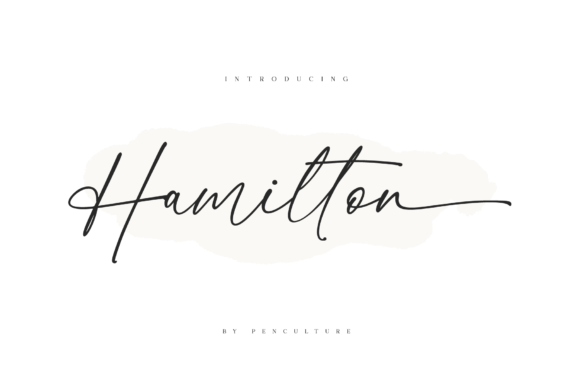
Hamilton: Modern Calligraphy for Elegant Branding
When you're working on a project that demands a touch of sophistication without feeling stuffy, the typeface you choose does a lot of the heavy lifting. Hamilton is a modern calligraphy font that strikes that balance beautifully. It’s not trying to mimic old-world script with heavy, ornate loops. Instead, it presents a cleaner, more contemporary take on the calligraphic style. The letterforms have a confident, flowing rhythm, with a stroke that feels both deliberate and graceful. You’ll notice its personality in the lovely alternates and ligatures that come included. These aren’t just decorative extras; they’re what allow you to create text that looks authentically hand-lettered, with connections that flow naturally and avoid that repetitive, mechanical look.
Where This Typeface Truly Shines
The real value of a font like Hamilton is in its versatility across different mediums. Think beyond the obvious wedding invitation, though it excels there. Its modern elegance makes it a strong candidate for branding projects that aim for a premium, boutique feel. Imagine it on a logo for a high-end bakery, a cosmetics line, or a personal stylist. The script conveys care, artistry, and a personal touch—key elements for building a relatable brand identity. In packaging design, it can elevate a product from shelf filler to shelf standout, especially for artisanal goods, luxury candles, or specialty teas.
For digital creators and marketers, Hamilton is a useful tool for breaking the monotony of standard web fonts. Use it for pull quotes in a blog post, as a stylized header for a landing page, or within social media graphics to add a layer of sophistication. It draws the eye without overwhelming the message. Publishers and editorial designers can use it for chapter titles or feature article headlines in magazines and lookbooks, adding a curated, high-fashion feel. Even for personal projects—like crafting custom greeting cards, creating printable wall art, or designing a standout resume for a creative field—this font brings a professional polish that’s hard to achieve with default system fonts.
Practical Guidance for Using Hamilton
Choosing a font is more than just picking something you like; it’s about evaluating fit. First, consider your project’s tone. Hamilton’s personality is elegant, modern, and slightly romantic. It’s perfect for projects targeting adults 20-50 who appreciate design and quality. It might not be the best fit for a children’s party flyer or a corporate finance report. Next, think about font pairing. A script font like Hamilton works best when contrasted with a clean, simple companion. Pair it with a neutral sans serif font for body text or a minimalist serif for headlines. This contrast creates visual hierarchy, ensuring your calligraphic elements stand out while the overall design remains readable and balanced.
Always test the font in context. Type out the specific words or phrases you’ll use. Check how the ligatures and alternates interact. Does the flow feel natural? Are there any awkward letter combinations? Hamilton is PUA encoded, which is a practical benefit. This means all the extra glyphs, swashes, and stylistic alternates are easily accessible through standard character maps in design software like Adobe Illustrator or Photoshop, or even in advanced word processors. You won’t need special skills to use those beautiful, unique letterforms.
Readability is paramount. While Hamilton is a display font meant for headlines and short bursts of text, not long paragraphs, you still need to ensure it’s legible at the size you’re using it. Test it at both large and small scales. A complex script can lose its charm when reduced too much. Finally, if your project is commercial—like a client logo, a product for sale, or marketing materials—confirm the licensing. Hamilton is a premium font, and its commercial license typically allows for broad use across print, digital, and merchandise, but it’s always good practice to review the specific terms provided by the foundry.
Making It Work for Your Brand
Using a creative font like Hamilton consistently helps build brand recognition. When your audience sees that distinctive, elegant script across your website, your packaging, and your Instagram feed, it starts to associate that visual style with your business. It communicates a level of professionalism and attention to detail. However, consistency doesn’t mean using it everywhere. Overuse can dilute its impact. Reserve it for key touchpoints where you want to make an impression: your primary logo, a signature tagline, or the main headline on your homepage.
For entrepreneurs and small business owners, investing in a high-quality, versatile typeface like Hamilton is an investment in your brand’s visual toolkit. It’s a design asset that, when used thoughtfully, can significantly influence how your brand is perceived—making it feel more established, trustworthy, and creatively refined. Whether you’re designing a suite of wedding stationery, launching a new product line, or refreshing your social media presence, Hamilton offers a blend of modern typography and timeless charm that can help your projects connect with your audience on a more emotional level.