Lexiko: The Scrabble-Inspired Typeface for Creative Projects
A Nod to Nostalgia with Modern Versatility
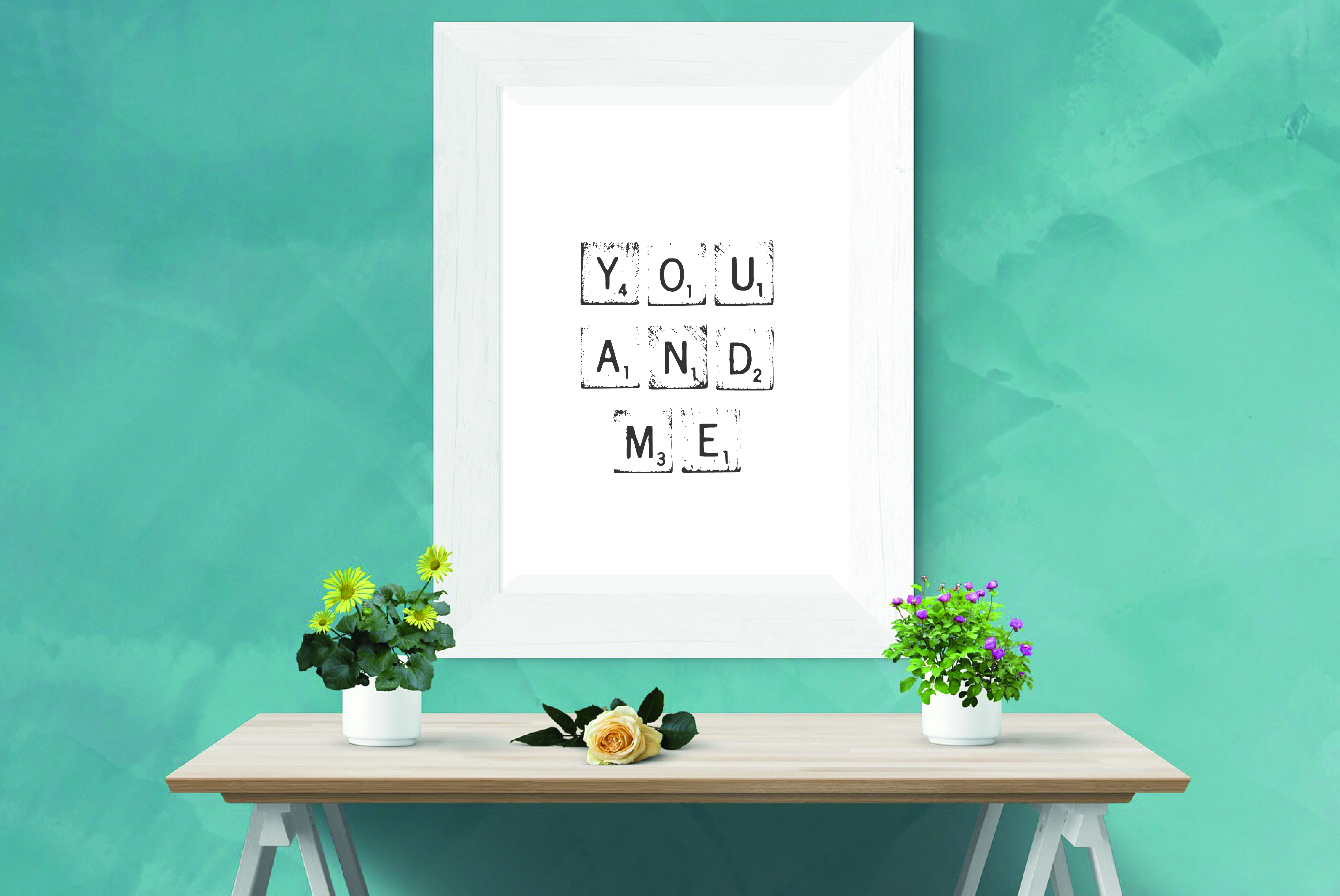
Before it became the beloved game of Scrabble, the world knew it as Lexiko and Lexicon. This piece of board game history is the direct inspiration for the Lexiko typeface. It captures the essence of those classic, rough-hewn wooden letter blocks, complete with the subtle scoring numbers and the slightly irregular, tactile quality of real game pieces. This isn't a sterile, perfect font; it's a display font with personality, warmth, and a built-in story. The style is unmistakably chic and vintage, evoking a sense of cozy game nights, intellectual challenge, and handmade charm.
The visual character of Lexiko is defined by its serif structure, but with a distinct, almost stenciled or carved appearance. Each letter feels tangible, as if lifted right from a game box. The included blank tiles are a clever touch, allowing for creative flexibility—perfect for representing spaces in custom messages or for design elements that require a break in the pattern. This font doesn't just spell words; it builds them, block by block, inviting the viewer to engage, much like assembling a high-scoring word on the board.
Where Lexiko Truly Shines: From Home Décor to Brand Identity
The real-world applications for a creative font like Lexiko are surprisingly vast, especially for those who work with design assets for small business owners, crafters, and content creators. Its strength lies in projects that require a personal, approachable, and slightly retro feel.
- Home & Personal Projects: Imagine a set of wooden blocks spelling out a family name on a mantel, or a framed print with an inspirational quote in a cozy den. Lexiko is ideal for creating personalized wall art, custom canvas prints, and decorative items that feel both stylish and sentimental. It’s a fantastic choice for invitations to game nights, book clubs, or casual gatherings, setting the perfect tone before the event even begins.
- Branding & Marketing: For entrepreneurs and marketers in specific niches, Lexiko can be a powerful tool for brand identity. It works exceptionally well for businesses related to education, literacy, board game cafes, vintage stores, artisanal crafts, or cozy pubs. Think of a logo for a local bookshop, the typography on a craft coffee bag, or the header graphics for a blog about word games. It communicates intellect, playfulness, and authenticity.
- Digital & Editorial Use: While primarily a display font, Lexiko can be used effectively in editorial design for pull quotes, chapter titles, or section headings in magazines and blogs that focus on lifestyle, gaming, or DIY topics. It adds a strong visual anchor and breaks up the monotony of standard body text. In web design, it can create engaging hero section text or standout call-to-action buttons. For social media graphics, it’s perfect for creating shareable quote images or promotional posts that need to stop the scroll with a unique, textural appeal.
- Product & Packaging: The font’s aesthetic is a natural fit for packaging design. Picture it on artisanal food labels, boutique candle packaging, or the branding for a stationery line. It suggests a product that is crafted with care and has a story to tell.
Making Lexiko Work: Practical Guidance for Designers
Choosing the right typeface is about more than just liking how it looks; it's about ensuring it serves the project's goals. Here’s how to evaluate and use Lexiko effectively.
Evaluating Project Fit: Lexiko is a premium font with a strong personality. It’s not the right choice for body copy in a lengthy report or for a corporate financial statement. Its value is in headlines, logos, and short, impactful text where its unique character can be fully appreciated. Ask yourself: does my project call for a touch of nostalgia, playfulness, or handmade authenticity? If yes, Lexiko is worth exploring.
Font Pairing is Key: To maintain visual hierarchy and readability, pair Lexiko with simpler, cleaner fonts. A classic sans serif font like Helvetica, Futura, or a clean modern grotesque makes an excellent partner for body text, providing a clear contrast that lets Lexiko’s display characters pop. For a more refined look, a simple, elegant serif can also work, but avoid pairing it with other highly decorative script or handwritten fonts, which can create visual clutter.
Testing and Readability: Always test your chosen font in context. View Lexiko at the intended size—whether on a mobile screen, a printed mug, or a large canvas. Check the readability of individual letters, especially in all-caps settings where letters like ‘C’ and ‘G’ or ‘M’ and ‘W’ need to be distinct. The built-in character set and stylistic alternates (like the blank tiles) should be explored to solve specific design challenges.
Licensing and Assets: As a commercial font, ensure you have the correct license for your intended use, whether it’s for a single client project, a line of merchandise, or unlimited personal use. Review what’s included in the package—does it offer multiple weights, stylistic sets, or extended language support? Understanding your design assets upfront prevents headaches later.
Ultimately, Lexiko is more than just a set of letters. It’s a tool for storytelling. It allows designers, publishers, and creators to tap into a shared cultural memory of game night strategy and wordplay, translating that into compelling visual communication. By understanding its personality and applying it thoughtfully, you can leverage this creative font to build engaging, memorable, and highly effective designs that resonate with your audience.