Roaring Jungle: A Vintage Font with Modern Impact
There's a certain energy to design work that pulls from the past. It's not about nostalgia for its own sake, but about harnessing a visual language that already has a story, a texture, and a feeling baked right in. When you need a typeface that doesn't just sit there but actually speaks, that carries the weight of hand-painted signage and the boldness of classic poster art, you start looking for something with real character. That's where a Roaring Jungle comes into play. This isn't just another decorative font; it's a tool designed to inject a specific, powerful vibe into your work, making it a standout choice for projects that demand attention.
The Personality Behind the Letters
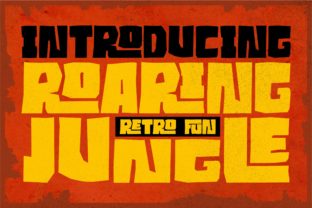
At its core, Roaring Jungle is a display font, and a particularly expressive one at that. Imagine the confident, slightly irregular strokes of a skilled sign painter or the impactful headlines from mid-century advertisements. That's the territory it inhabits. The letterforms often feature strong, thick strokes with subtle, organic variations. You'll notice details like tapered ends, gentle curves that avoid perfect geometric precision, and an overall handcrafted feel. This gives the typeface a warm, approachable, yet commanding presence. It's a serif font in its structure, but the serifs themselves are often stylized and bold, contributing to its vintage charm rather than a traditional bookish elegance. The personality is unmistakable: it's adventurous, a bit rugged, and full of life, perfectly suited for projects that aim to feel authentic and spirited.
Where This Typeface Truly Shines
Understanding a font's personality is one thing; knowing where to apply it is where the practical value lies. The strength of Roaring Jungle is in its ability to act as a visual anchor. It's not the font you'd choose for body text in a long report, but it's the undisputed star of a headline, a logo, or a key piece of packaging design.
- Branding and Logo Design: For businesses in the outdoor, adventure, craft beverage, artisanal food, or vintage-inspired retail spaces, Roaring Jungle can form the bedrock of a brand identity. A logo set in this font immediately communicates a sense of heritage, craftsmanship, and boldness. It tells customers there's substance and story behind the name.
- Marketing and Social Media: In the endless scroll of a social media feed, a poster or flyer set with Roaring Jungle can stop the thumb. It's excellent for event promotions, sale announcements, or any campaign where a retro aesthetic is key. The font's inherent style does much of the heavy lifting, making your graphics instantly more dynamic and shareable.
- Editorial and Publishing: For book covers, especially in genres like adventure, historical fiction, or thriller, or for magazine feature titles, this premium font provides a powerful hook. It sets the tone before a single word of the story is read. Similarly, for editorial design in indie magazines or blogs, it can create striking chapter headers or pull quotes.
- Digital and Web Design: While you wouldn't use it for website navigation, Roaring Jungle can be spectacular for hero section headlines on a homepage, for a 404 page with personality, or within a web design for a specific landing page that needs a strong thematic punch. Its visual weight ensures it translates well on screen.
- Packaging and Physical Products: From coffee bags to craft beer labels, from boutique soap wrappers to menu designs, the font adds a layer of perceived quality and care. It suggests the product inside is made with similar attention to detail.
- Personal Projects and Crafting: For wedding invitations with a rustic theme, custom T-shirt designs, or scrapbooking, Roaring Jungle offers a creative font option that feels special and intentional, elevating DIY projects to a more professional level.
Making It Work: Practical Considerations
Adopting a strong display typeface like Roaring Jungle requires a bit of strategy to ensure it enhances rather than overwhelms your project. The key is to use it with intention.
First, consider font pairing. A powerful character like this needs a supporting cast. The most reliable approach is to pair it with a clean, neutral sans serif font or a simple, readable serif font for any secondary text or body copy. Think of Roaring Jungle as the main actor delivering a dramatic monologue, and the paired font as the supporting actor providing clear, essential information. This contrast creates a clear visual hierarchy, guiding the viewer's eye exactly where you want it to go.
Second, always test for readability. At large sizes, for headlines and logos, it's typically excellent. However, if you're tempted to use it for a tagline or a short subheading, test it at the intended size. Some of the more stylistic letterforms might need to be used sparingly or in a context where absolute clarity at a glance isn't the primary goal. Check how it looks both on your desktop screen and on a mobile device, as rendering can vary.
Third, explore the full design assets that come with the font. Many premium font families include more than just the basic uppercase and lowercase. Look for alternates, ligatures, or swashes. These extra glyphs are what allow you to customize words and add even more unique flair to your logo or headline, preventing it from looking like a standard template. Using these features thoughtfully is what separates good design from great design.
Finally, understand the licensing. If you're using it for a client project, a product you sell, or a business website, you need to ensure you have the appropriate commercial font license. This is a standard part of professional practice and protects both you and the font creator. Reputable foundries and marketplaces make this clear, so always review the terms before finalizing a design for commercial use.
In the end, Roaring Jungle is more than just a collection of glyphs. It's a design direction. It’s a tool for telling a visual story steeped in a particular aesthetic. When chosen for the right project and applied with a bit of care, it has the genuine power to transform a standard layout into something memorable, engaging, and full of personality. It’s a testament to how the right typeface doesn't just convey words—it conveys feeling.