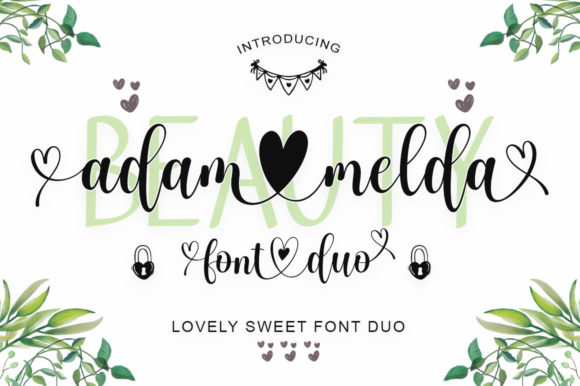
Adam Melda Lovely: A Font Pairing for Chic, Cheerful Designs
Finding a font that feels both personal and polished can be a challenge. Many script fonts lean too casual, while some serif fonts can feel overly formal. Adam Melda Lovely strikes a unique balance. It’s a thoughtfully crafted font duo—a script and a sans serif—designed to work in harmony. The script brings a hand-lettered, airy charm, while the accompanying sans serif offers clean, modern stability. Together, they create a visual conversation that’s both approachable and sophisticated.
Understanding the Visual Personality
The script component of Adam Melda Lovely is its standout feature. It’s not a rigid, formal calligraphy but a flowing, handwritten font style with a natural bounce and slight imperfections that give it a genuine, crafted feel. The letterforms connect gracefully, creating a sense of movement and warmth. This isn’t a script font that feels dated; it carries a modern typography sensibility in its spacing and rhythm.
Its companion is a straightforward, geometric sans serif font. This isn’t a loud or decorative typeface. Its strength lies in its simplicity and excellent legibility, providing a perfect counterpoint to the script’s flourish. The contrast in weight and style is intentional, allowing each font to play its role without competing for attention. This duality is what makes the pairing so versatile for a range of projects.
Where This Font Duo Truly Shines
The real value of a premium font like Adam Melda Lovely is its application across real-world projects. Its personality makes it particularly effective in spaces where you want to convey creativity, warmth, and a touch of elegance.
For brand identity and logo design, it’s a strong candidate for businesses in lifestyle, beauty, wellness, boutique retail, or artisanal food. The script can form the primary logotype for a heartfelt, human touch, while the sans serif handles the tagline or supporting text with clarity. This pairing helps establish a brand that feels both authentic and professional.
In packaging design, especially for products like candles, cosmetics, specialty foods, or handmade goods, the fonts add a layer of perceived quality and care. The script can highlight the product name or a key benefit (“Hand-Poured,” “Organic Blend”), instantly communicating a crafted, premium feel on the shelf.
For editorial design and publishing, such as magazine features, blog headers, or book covers in genres like romance or lifestyle, Adam Melda Lovely can set a compelling mood. Use the script for captivating headlines and the sans serif for pull quotes or subheadings to create a clear and engaging visual hierarchy.
Digital applications are equally strong. Think social media graphics for Instagram stories, Pinterest pins, or Facebook ads where stopping the scroll is key. The font’s cheery character can make promotional posts, quotes, or announcements feel more engaging and less corporate. For web design, it’s best used for high-impact headings or hero sections, while relying on a highly legible web font for body copy.
Making Smart Design Decisions with Adam Melda Lovely
Choosing a creative font is just the first step. Using it effectively requires thoughtful execution. Here’s how to get the most out of this pairing.
Evaluate the Project Fit: Always start with the project’s tone and audience. Adam Melda Lovely excels in contexts that welcome a personal, friendly, and stylish voice. It might not be the best fit for a law firm’s annual report, but it’s perfect for a wedding invitation suite or a boutique’s marketing flyer.
Master the Pairing: The included sans serif is your best starting point, as it’s engineered to complement the script. When using them together, establish a clear hierarchy. A common, effective approach is to use the script for the main headline and the sans serif for secondary information. Avoid using both at large sizes in close proximity, which can create visual tension.
Prioritize Readability: The script, while beautiful, is best suited for short bursts of text—headlines, logos, pull quotes, or single words. Its flowing nature can reduce readability in longer sentences. Always conduct a readability test at the intended size, especially for print materials. The sans serif component, however, is built for clarity and can handle longer text blocks if needed.
Explore the Glyphs: A major advantage of this font being PUA encoded is the access to a full set of stylistic alternates and swashes. These are not just decorative extras; they are essential tools for customizing the look. Swashes can add a graceful start or end to a word, while alternate letterforms can help avoid awkward connections or create a more unique composition. Don’t overlook them.
Consider Commercial Use: For entrepreneurs and small business owners, understanding the license is critical. Adam Melda Lovely is a commercial font, meaning its license typically covers use in projects for clients or for sale, like logos, merchandise, and digital products. Always review the specific license agreement included with your purchase to ensure it meets your project’s needs, whether for personal or commercial application.
Final Thoughts on a Versatile Tool
Adam Melda Lovely is more than just a pretty typeface; it’s a practical design asset. Its strength lies in the deliberate relationship between its two styles, offering designers and creators a ready-made solution for achieving balance. By understanding its personality and applying it with intention, you can leverage this font duo to add a chic, cheerful, and consistently professional touch to a wide array of creative projects, from brand collateral to digital content and beyond.