Memory Font: A Friendly Script for Authentic Designs
Understanding the Personality of Memory
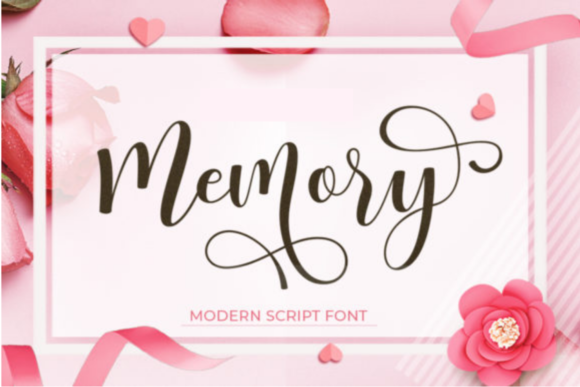
Finding a script font that feels genuinely warm without looking messy can be a challenge in modern typography. Too often, handwritten typefaces look either too formal, like a wedding invitation from 1990, or too chaotic, resembling a doctor’s prescription note. Memory strikes a unique balance. It is a cute and casual handwritten font that brings an incredibly friendly feel to any project. Unlike rigid geometric fonts, Memory flows with a natural rhythm that mimics actual penmanship, but with the polish required for professional graphic design.
The visual character of this typeface is defined by its soft edges and slightly bouncy baseline. It doesn’t sit in a perfectly straight line, which gives it that human touch we often crave in digital spaces. When you look closer, you’ll notice the gorgeous swashes and ligatures included in the package. These aren’t just decorative extras; they are essential tools for creating a seamless flow between letters. For instance, when typing certain letter combinations, the swashes extend elegantly, turning simple text into a piece of art. This versatility makes it an excellent choice for anyone looking to add a personal stamp to their work, whether they are seasoned designers or hobbyists exploring DIY projects.
Where Memory Truly Shines
The practical application of a font is where its value is truly tested. Memory is not a serif font meant for dense body text in novels, nor is it a stark sans serif font for corporate legal documents. Instead, it excels as a display font used to capture attention and convey emotion. One of the strongest use cases for this premium font is in social media graphics. Platforms like Instagram and Pinterest thrive on visual personality. Using Memory for quotes, announcements, or carousel covers can instantly make a feed feel more cohesive and relatable. It serves as a fantastic choice for fonts for Instagram, where the goal is often to stop the scroll with something that feels intimate and handmade.
Beyond the screen, Memory proves its worth in packaging design and physical branding. Imagine a small coffee roaster or an artisan candle maker looking to develop their brand identity. A rigid corporate font might feel too cold for their products. Memory, however, suggests craftsmanship and care. It works beautifully on product labels, business cards, and thank-you notes. For entrepreneurs and small business owners, consistency is key. By utilizing Memory across your logo design and collateral, you build a recognizable visual language that tells customers, "We are approachable and creative." It is also a strong contender for editorial design, particularly for magazine headers or blog post graphics that need a touch of whimsy without sacrificing readability.
Strategic Font Pairing and Design Tips
Using a script font effectively requires a bit of strategy, specifically regarding font pairing. Because Memory is expressive and detailed, it pairs best with something simpler. A clean, geometric sans serif font is usually the perfect companion. If you use Memory for your main headline, try using a font like Montserrat or Open Sans for your subheadings and body copy. This contrast creates a clear visual hierarchy, guiding the reader’s eye from the decorative headline to the functional text. If you pair Memory with another ornate font, the result can look cluttered and confusing, which hurts readability.
When evaluating this creative font for a project, pay attention to the context. It is an excellent commercial font, but you should always check the licensing to ensure it covers your specific needs, especially if you are creating items for resale like t-shirts or mugs. Testing the font in different sizes is also crucial. While Memory holds up well at medium sizes typical of web design headers or flyers, very small text might lose some of the intricate details of the swashes.
For those working on calligraphy scripts or DIY projects, Memory offers a great starting point. However, professional designers should explore the full range of design assets included. Often, these types of fonts come with alternate characters. Switching out a standard "g" for a more elaborate swash version can make a logo feel distinct. Ultimately, Memory is a tool that encourages creativity. It moves away from the cold efficiency of modern minimalism and invites a warmer, more human connection between the brand and the audience. Whether you are designing a wedding menu or a marketing campaign, this typeface provides the friendly voice many projects need.