Sugar Bloom: A Handwritten Font That Feels Truly Original
Finding a font that feels both unique and genuinely useful can be a challenge. You want something with personality, but it also needs to work across different projects without causing headaches. Sugar Bloom is a handwritten font that strikes that balance. It’s not just another script; it has a distinct charm that can elevate your work, whether you're designing a logo, crafting a wedding invitation, or creating social media content.
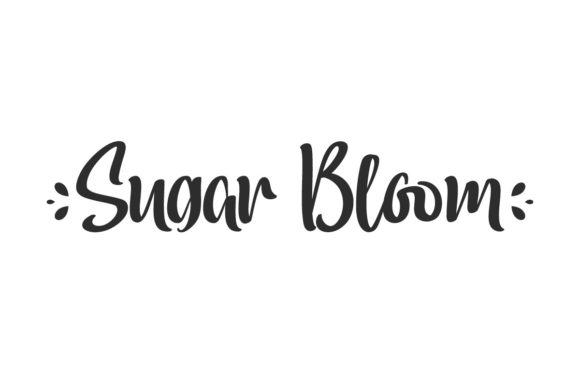
This typeface has a natural, flowing quality that avoids looking overly polished or artificial. Its strokes have a confident, slightly sporty energy that blends with a beautiful, artistic sensibility. This combination gives it a versatile appeal. It can feel playful for a café menu, elegant for a cosmetics brand, or dynamic for video titles. The personality of Sugar Bloom is its strength—it adds an immediate layer of authenticity and warmth to any design.
Where Sugar Bloom Truly Shines
Think of Sugar Bloom as a creative asset for projects that need a human touch. It’s a premium font designed for real-world application, not just for looking pretty on a specimen sheet.
For branding and logo design, it offers a fantastic starting point. A bakery, a boutique coffee shop, or an artist’s portfolio can use it to establish a friendly, approachable identity. Its handwritten style helps small businesses and entrepreneurs project authenticity from the first glance. When used in packaging design, it can make products on a shelf feel personal and crafted, which is especially effective for houseware, cosmetics, and artisanal goods.
In the realm of editorial design and publishing, this font adds flair to magazine headlines, blog post titles, or chapter headings. It creates visual interest without sacrificing the clean hierarchy needed for longer reads. For event stationery—think wedding invitations, save-the-dates, or party flyers—its beautiful, brush-style script sets a celebratory and elegant tone. The same quality makes it perfect for musicians’ gig posters or album art, where conveying a specific mood is key.
Digital applications are equally strong. Use Sugar Bloom for engaging social media graphics, eye-catching YouTube thumbnails, or animated video titles. Its character helps content stand out in a crowded feed, driving better engagement. For web design, it can be used strategically for call-to-action buttons or hero section headlines to inject personality, though pairing it with a highly readable serif or sans serif font for body copy is essential.
Making It Work: Practical Design Guidance
Choosing the right font is about fit. Before committing to Sugar Bloom, consider your project’s core message. Is it about whimsy, elegance, energy, or nostalgia? This font leans toward a blend of natural beauty and subtle dynamism. It’s a creative font that works best where you want to make a stylistic statement.
A critical step is testing font pairings. A handwritten display font like this rarely works well for long paragraphs of text. Its real power comes when contrasted with a clean, neutral typeface. Try pairing it with a simple sans serif for a modern, balanced look, or with a traditional serif for a more classic, sophisticated feel. For example, use Sugar Bloom for your main headline and a font like Montserrat or Lora for subheadings and body text. This creates clear visual hierarchy and ensures readability.
Always review the included styles and character sets. A good premium font will offer more than just basic letters. Look for alternates, ligatures, and swashes. These extras allow you to customize the look, avoid repetitive letterforms, and create a more authentic handwritten effect. This is particularly important for logo design, where uniqueness is paramount.
Finally, consider the practicalities. If your project is commercial—like a client’s brand identity, merchandise, or paid publication—ensure you have the correct commercial license. Using a font like Sugar Bloom properly licensed protects your work and supports the type designers who create these valuable design assets.
Incorporating Sugar Bloom into your toolkit means having a versatile, character-rich option that can solve specific design challenges. It’s not a universal solution, but where it fits, it adds a layer of originality and charm that generic fonts simply cannot match. The key is to use it thoughtfully, pair it wisely, and let its personality enhance your project’s story.