The Charm of Little Things: A Handwritten Font for Authentic Projects
There’s a particular warmth to designs that feel personal. In a digital landscape often dominated by clean, geometric precision, the hand-drawn touch stands out. It suggests craft, care, and a human behind the screen. This is the space where the Little Things font lives. It’s not just a collection of letters; it’s a toolkit for injecting personality and whimsy into your work, designed for creators who want their projects to feel approachable and genuine.
Visual Character and Built-in Creativity
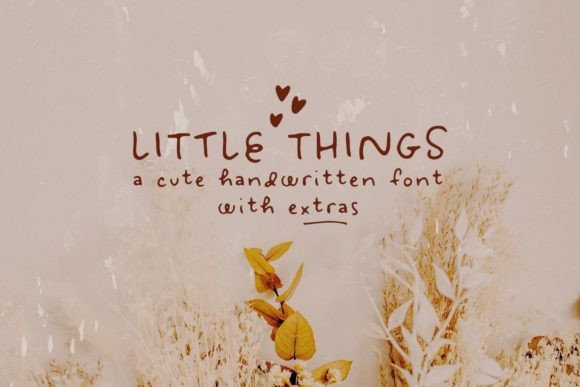
At its core, Little Things is a premium font that presents itself as a cute handwritten font. But that simple description doesn’t capture its full utility. Its letterforms have a soft, rounded quality with a slight, natural inconsistency that mimics real handwriting. This avoids the robotic feel some script fonts can have. The baseline isn’t rigid, giving the text a lively, organic rhythm that’s pleasing to the eye.
What truly elevates it beyond a basic handwritten font is the included alternate character set. This means you can swap out certain letters to avoid repetition, a common pitfall in script fonts that can make words look artificial. By toggling between standard and alternate glyphs, you can create headlines and logos that look authentically hand-lettered.
Then come the extras. The package is filled with thoughtful design assets: underlines, doodles, arrows, and words. These aren’t afterthoughts. They are integral to the font’s character, allowing you to build entire compositions without needing to source additional graphics. Imagine drawing a playful underline under a key phrase or adding a small doodle next to a product description—these elements are ready to use, ensuring stylistic consistency throughout your project.
Where This Typeface Truly Shines
Understanding a font’s personality is one thing; knowing where to apply it is where the real strategy comes in. Little Things excels in contexts where a human, handmade feel is an asset. It’s a powerful creative font for brand identity projects aiming for warmth, authenticity, and approachability.
For Branding and Packaging: This typeface is a natural fit for logo design and packaging design for small businesses, especially in the artisanal, boutique, or craft sectors. Think of a local bakery’s logo, the label for a small-batch jam, or the branding for a handmade jewelry line. The font’s friendly demeanor builds immediate trust and suggests a product made with care. Its legibility at smaller sizes also makes it suitable for ingredient lists or care instructions on packaging.
In Digital Spaces: On social media graphics, it cuts through the noise. Use it for Instagram story quotes, Pinterest pin titles, or Facebook ad headlines to grab attention with its distinct style. It’s also excellent for web design elements that need a personal touch, such as blog post titles, call-to-action buttons, or newsletter headers. The key is using it strategically for display purposes, not for long blocks of body text where readability is paramount.
Print and Editorial Projects: Little Things brings life to editorial design. It’s perfect for magazine pull quotes, chapter titles in a cookbook, or headings in a lifestyle blog’s print layout. For crafters and hobbyists, it’s a gem for creating custom postcards, party invitations, scrapbook elements, and printable wall art. The included doodles can turn a simple thank-you note into a charming keepsake.
Making It Work: Practical Guidance for Designers and Creators
Choosing the right display font like Little Things involves more than just liking its look. Here’s how to evaluate and implement it effectively.
Evaluating Project Fit: First, ask if the font’s personality aligns with your project’s voice. It’s ideal for brands that want to be seen as friendly, playful, creative, and down-to-earth. It may not be the best choice for corporate finance reports or luxury brands seeking ultra-modern minimalism. Always test it within your specific color palette and imagery to see if the overall tone feels right.
Mastering Font Pairing: A handwritten font rarely works well alone for entire projects. Smart font pairing is essential. Use Little Things for headlines, logos, and accents, then pair it with a highly legible serif font or sans serif font for body copy. A clean sans serif like Montserrat or Open Sans provides a stable, readable counterpoint. A classic serif like Lora or Merriweather can add a touch of traditional elegance. The contrast creates a clear visual hierarchy, guiding the reader’s eye naturally.
Readability and Hierarchy: The primary role of this creative font is at larger display sizes. While it’s legible for short phrases, avoid setting long paragraphs in it. Use it to establish mood and highlight key information. Its inherent style will naturally draw the eye, so use that to your advantage for calls-to-action or important messages.
Reviewing the Full Package: Don’t overlook the alternate characters and extras. Before starting a major project, open the font in a character map or your design software’s glyphs panel. Explore what’s available. Those alternate character sets and doodles can solve design problems and add unique flair that competitors might miss.
Licensing for Commercial Use: If you’re using Little Things for client work, merchandise, or any commercial project, ensure you have the correct commercial font license. Reputable font foundries and marketplaces are clear about usage rights. Purchasing a proper license supports the type designer and gives you legal peace of mind to use the font across all your design assets.
In the end, fonts like Little Things are more than just modern typography tools. They are partners in storytelling. They help bridge the gap between a digital product and a human feeling, making your designs not just seen, but felt. By understanding its strengths and applying it thoughtfully, you can leverage this handwritten font to create memorable, engaging work that resonates on a personal level.