Anboxing: The Sweet Script Font for Modern Designers
There is a specific kind of energy that separates a generic layout from a memorable one. It usually comes down to the details—the interplay between clean structure and a touch of human flair. When you are working on a project that needs to feel approachable, genuine, and stylish without trying too hard, the typography choice becomes your most critical decision. This is where Anboxing enters the conversation. It is not just another script font sitting in your library; it is a distinct visual voice that brings a whimsical yet fluid character to the table.
Visual Characteristics and the Dance of the Baseline
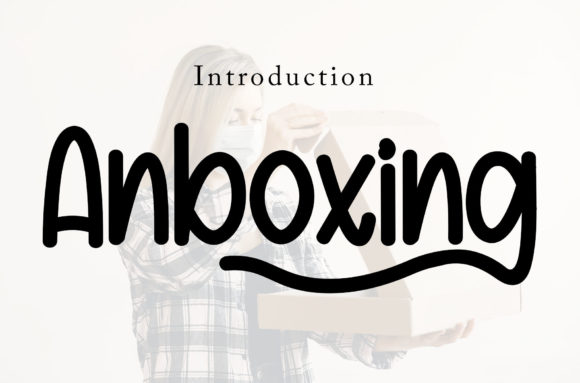
At first glance, Anboxing impresses with its sweetness and fluidity. The defining feature of this typeface is the way the characters seem to dance along the baseline. Unlike rigid, traditional serif or sans serif fonts, Anboxing avoids static alignment. The letterforms have a natural bounce and flow that mimics the irregularity of authentic handwriting, yet they retain a level of polish that ensures legibility. The strokes are thin and elegant, avoiding the heavy, clunky look that often plagues handwritten fonts. This thinness gives it a delicate, airy quality, making it an excellent choice for designs where you want to convey lightness and grace.
The overall personality of Anboxing is undeniably whimsical. It feels spontaneous, as if the text was just written by a creative friend with excellent penmanship. However, because it is a premium font, it possesses the technical refinement necessary for professional work. The letter connections are smooth, and the fluidity of the lines ensures that even though the font is decorative, it doesn't feel chaotic. It strikes a balance between the organic nature of a handwritten font and the consistency required for a reliable display font.
Real-World Applications: Where Anboxing Shines
Understanding a font's visual style is one thing; knowing how to deploy it effectively is another. As a creative professional, you need assets that work across various mediums. Anboxing is versatile enough to function in several distinct environments, provided you use it with intent.
Branding and Logo Design
For entrepreneurs and small business owners, brand identity is everything. Anboxing works exceptionally well for brands that aim to appear friendly, boutique, or artisanal. Think of a local bakery, a handmade jewelry shop, or a boutique consulting firm that wants to emphasize personal connection over corporate stiffness. Using Anboxing for a logo design can instantly set a tone of warmth. However, because it is a script font, it works best as the primary mark for short business names. If your brand name is long, consider using Anboxing for a monogram or an accompanying tagline rather than the full title to maintain visual clarity.
Packaging and Editorial Design
In packaging design, the shelf appeal is driven by how well the product communicates its value instantly. Anboxing adds a beautiful spark to product labels, particularly in the beauty, food, or stationery sectors. It suggests that the product inside is crafted with care. Similarly, in editorial design, such as magazines or lookbooks, this font serves as a stunning accent. It can pull the reader’s eye into a specific section, acting as a visual break from the dense blocks of text usually set in a standard serif font or sans serif font.
Digital Presence: Web and Social Media
The digital landscape demands fonts that render well on screens. Because Anboxing features thin strokes, it is vital to test its readability on mobile devices. It is generally not recommended for body copy or long paragraphs on websites; stick to your standard web-safe fonts for that. Instead, leverage Anboxing for web headers, hero sections, or call-to-action buttons where you want to inject personality. For social media graphics, it is a powerhouse. Instagram stories, Pinterest pins, and quote cards benefit immensely from the dancing baseline of Anboxing, making static images feel more dynamic and engaging.
The Art of Font Pairing and Visual Hierarchy
No font is an island. To get the most out of Anboxing, you must master the art of font pairing. A script font with this much personality needs a grounding partner. The goal is to create contrast without conflict.
Finding the Right Partner
Because Anboxing is fluid, thin, and decorative, it pairs beautifully with geometric sans serif fonts or clean, modern serif fonts. You want a partner that is stable and legible. For example, a clean sans serif font with uniform stroke widths provides a solid foundation that allows the whimsical nature of Anboxing to pop without overwhelming the viewer. If you are going for a more sophisticated, editorial look, a high-contrast modern serif font can complement the thin strokes of Anboxing, creating a hierarchy that feels both classic and fresh.
Readability and Hierarchy
When using Anboxing, think of it as the "accent" rather than the "foundation." In typography, hierarchy is about guiding the eye. Use Anboxing for headlines, sub-headers, or pull quotes. Use your secondary, more legible font for the actual information. This approach ensures that your design remains professional. If you set a full paragraph in Anboxing, the dancing baseline might make it difficult for the eye to track lines of text, leading to a poor user experience. By restricting it to high-impact moments, you preserve its charm and maintain the readability of your overall project.
Practical Considerations for Creators
Before integrating any new design asset into your workflow, a practical evaluation is necessary. As someone who values professionalism, you need to ensure that Anboxing fits your specific constraints.
Evaluating Project Fit
Ask yourself: Does this project require a serious, authoritative tone, or a friendly, creative one? If you are designing a legal document or a corporate annual report, Anboxing is likely the wrong choice. Its whimsical nature might undermine the gravity of the content. However, if you are working on a wedding invitation, a lifestyle blog, or a creative portfolio, it is a perfect match.
Technical and Licensing Details
Always review the character map and included styles of the font. Does it include alternate characters or ligatures that can enhance the "dancing" effect? Furthermore, if you are using this for commercial projects—which covers everything from a client's logo to merchandise—you must verify the commercial font licensing. Ensure the license covers the specific usage you have in mind, whether it is for digital products, print-on-demand, or software embedding. Treating font licensing with the same respect as stock photography is a hallmark of a seasoned professional.
Testing Before Committing
Finally, test the font in context. Drop Anboxing into your mockups early in the design process. Check how it looks in your specific brand color palette. Because the strokes are thin, very light colors on white backgrounds might disappear, while high-contrast pairings will make the letterforms sing. By testing early, you avoid the frustration of realizing a font doesn't work halfway through the design phase.
Ultimately, Anboxing is more than just a collection of glyphs; it is a tool for adding a human touch to digital and print creations. Used thoughtfully, it elevates a design from merely functional to genuinely expressive. Whether you are a blogger looking to upgrade your headers or a business owner crafting a new visual identity, this script font offers a unique blend of whimsy and fluidity that can help your work stand out.