Lemon Farm: A Sweet Handwritten Font for Joyful Projects
More Than Just Letters on a Page
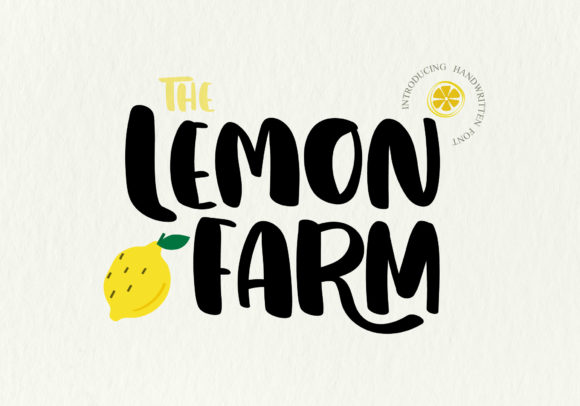
When you first encounter Lemon Farm, it doesn’t just sit on the page—it bounces. This isn't your typical rigid typeface or a standard corporate sans serif font. It is a distinctively sweet and colorful handwritten font that feels less like digital code and more like a note passed between friends in a sunlit classroom. The visual personality of this typeface is defined by its organic flow and playful irregularities. It mimics the natural pressure and rhythm of a marker or brush pen, creating a warmth that sterile digital fonts often lack.
As a designer or brand strategist, you know that typography is the voice of your visual identity. Lemon Farm speaks a language of fun, happiness, and approachability. It doesn't take itself too seriously, which makes it an incredibly powerful tool for specific projects. If you are working on a brand identity for a local bakery, a boutique children’s clothing line, or a lifestyle blog, this font instantly signals that the content is friendly and accessible. It cuts through the noise of modern typography by offering a human touch in an increasingly automated world.
Unlocking Creative Potential with PUA Encoding
One of the most practical aspects of Lemon Farm is its technical construction. It is a premium font that comes PUA (Private Use Areas) encoded. For the uninitiated, this might sound like technical jargon, but for content creators and designers, it is a game-changer. PUA encoding means that every single glyph, ligature, and swash included in the font package is fully accessible without needing specialized design software.
Whether you are using Adobe Illustrator, Photoshop, or a simpler platform like Canva or Microsoft Word, you can access the full range of stylistic alternates. This allows you to customize the look of the text to fit the specific mood of your project. You can swap out a standard "a" for one with a decorative swirl or connect letters in a way that looks more authentically hand-lettered. This level of control is usually reserved for high-end commercial fonts, but Lemon Farm brings that capability to a wide range of users, from hobbyist crafters to professional graphic designers.
Strategic Applications: Where Lemon Farm Shines
Choosing the right typeface is about context. While Lemon Farm is versatile, it excels in environments where emotional connection is key. Here is how to apply it effectively across different mediums:
Packaging Design and Product Labels
If you are designing packaging for artisanal goods, snacks, or beauty products, this font creates an immediate sense of "homemade" quality. It suggests that care and attention went into the product. Imagine a jam jar label or a scented candle box using Lemon Farm—it implies a personal touch that consumers crave. However, ensure the background isn't too busy; the font needs space to breathe so its handwritten nature doesn't become cluttered.
Digital Media and Social Graphics
In the fast-paced world of social media, stopping the scroll is everything. Lemon Farm works exceptionally well for Instagram quotes, Pinterest pins, and YouTube thumbnails. Its high-energy personality grabs attention quickly. Because it is a display font, it is perfect for short, punchy headlines. However, avoid using it for long blocks of body text. Handwritten fonts can cause eye strain if used for lengthy reading; pair it instead with a clean sans serif font for the fine print to maintain readability.
Publishing and Editorial Design
For bloggers and publishers, headers set the tone. Using Lemon Farm for chapter titles in a DIY e-book or as the main header for a food blog adds a layer of whimsy that a standard serif font cannot provide. It guides the reader's emotion before they even read the first sentence of the content.
Mastering the Font Pairing and Hierarchy
Effective design relies on visual hierarchy—guiding the viewer’s eye from the most important element to the least. Because Lemon Farm has such a strong personality, it acts as the star of the show. It is a high-impact display font, meaning it should be used for headlines and accent text.
When creating a font pairing, look for a partner that plays a supporting role. A geometric sans serif font works beautifully here. The clean, straight lines of a font like Montserrat or Open Sans provide a stable foundation that anchors the playful bounce of Lemon Farm. Alternatively, you could pair it with a simple serif font for a "modern farmhouse" aesthetic that is currently trending in interior design and lifestyle branding.
When evaluating your project fit, consider your target audience. If you are targeting adults aged 20–50 who appreciate creativity and authenticity, this font hits the mark. It resonates with the "maker movement" and the desire for genuine connection. However, if your project requires a tone of strict authority, medical precision, or corporate austerity, you should look for a different typeface.
Evaluating Fit and Licensing for Commercial Use
Before integrating Lemon Farm into your workflow, it is vital to review the licensing. As a commercial font, it is an asset that requires an investment. Always check the specific license agreement to ensure it covers your intended use, whether that is for client work, print-on-demand merchandise, or digital templates.
Here is a practical checklist for evaluating this font for your next project:
- Test the Glyphs: Don't just type "A-Z." Type out the specific words you plan to use. Check how the letters connect. Sometimes, the spacing between specific letter pairs (kerning) needs manual adjustment in design software to look perfect.
- Check the Weight: Does the font come in different weights? If you only have a regular weight, you are limited in creating contrast. Ensure the thickness of the strokes works for the size you need.
- Review Legibility at Scale: Zoom out. Can you still read the word at a thumbnail size? Handwritten fonts often lose legibility when scaled down too small.
- Color Compatibility: Test the font against your brand’s color palette. Lemon Farm looks best in bold, warm colors or high-contrast black and white.
Brightening Up Your Creative Toolkit
Ultimately, design is about solving problems and communicating ideas. Lemon Farm solves the problem of "boring." It transforms standard school projects, marketing flyers, and digital assets into something that feels alive and energetic. It adds a splash of color to black-and-white layouts and brings a sense of joy to corporate presentations that might otherwise feel dry.
By utilizing this font, you are not just choosing a typeface; you are choosing a mood. It reminds us that design can be fun. Whether you are a small business owner creating your first logo, a crafter designing a wedding invitation, or a marketer building a campaign for a new product, Lemon Farm offers a reliable way to inject personality into your work. It bridges the gap between professional polish and the charming imperfection of the human hand. Use it wisely, pair it thoughtfully, and watch how it brightens up your next project.